Step one: take some steel wool and put in a jar and cover with vinegar. Let it sit at least 24 hours, the longer the better. (I expected the vinegar mixture to turn black or something but it didn't.)
after 24 hours
Step two: make a strong cup of tea. I used Chai. brush the tea on the wood and let dry.
Step three: brush on the vinegar mixture.
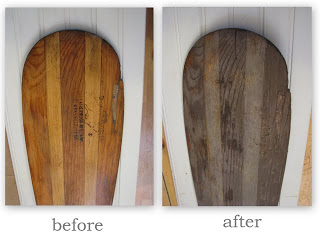
The before pic above is after the tea was brushed on & it was still wet.
I expected it to happen instantly and it didn't. I walked away and came back an hour later and it had worked.
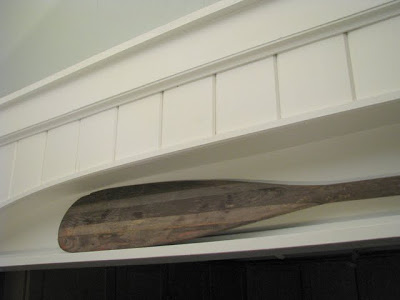
I'm really excited about this. I guess it's been around for awhile but I had never heard of it. Just wanted to share in case anyone else had never heard of it.
**edited to add- I sanded the oar down to bare wood removing all of the clear finish. This would not work if there is a finish on the wood because it needs to soak in.


I love the look of the oar now! Great tutorial!
ReplyDeleteHolly
ooooooh! I LOVE you. I can't wait to turn my orangey wood surfaces that lovely black/brown old wood look.
ReplyDeletexox
thanks for the tip. I am making some bird houses out of old roof shingles,were I need to cut them the wood looks new.I was wondering if there was a way to age wood only last night so thankyou.
ReplyDeleteWhat a great technique! I'm going to have to give that a try. Thanks!!
ReplyDeleteGreat job on the oar! I've got to find something to try this on.
ReplyDeletegreat tip. I'll have to remember that one. Thanks for sharing.
ReplyDeleteooohhhhh......I totally see this coming in handy soon! Thanks!
ReplyDeleteYour oar looks so much better! I use the vinegar and steel wool solution all the time but I've never heard about the tea part... was your oar varnished in the "before" picture or just raw wood?
ReplyDeleteThanks
Susan
LOVE this! May I ask if the wood is already stained or has a top coat do you have to sand that all off first? Thanks! :)
ReplyDeleteI love how this worked on your oar. If you leave the steel wool in the vinegar long enough, it will turn black. We had to do that to bring the new wood in a black walnut pocket door repair back to 1908 to match the rest of the door. It worked well, but it took over a month of nursing that jar of vinegar & steel wool to get the right darkness.
ReplyDeleteWHat a neat technique! Thanks for sharing:)
ReplyDeleteThat oar is beautiful! Thanks for sharing. And I like that little archway you created. Such character.
ReplyDeleteBrittany aka Pretty Handy Girl
I love the look of the aged wood, what a great idea.
ReplyDeleteWas there a finish on the paddle when you started or did it need to be sanded off?
Jo
She said she sanded it first.
DeleteI love how your paddle turned out. I have used the steel wool & vinegar ebonizing solution with varying success. The key is the species of wood you are treating. The 'staining' comes from the chemical reaction of the solution with the tannins in the wood (that's why the tea solution is recommended- the tannins in tea help the process). Species like cedar & oak work best because of their natural high tannin content. Pine and spruce is not great- even with the tea treatment. Just to let your readers know that resulting stain colour is greatly varied and, typically, ebonizing doesn't work well on pine.
ReplyDeleteThis a great tip-thanks for sharing! Love the oar :)
ReplyDeleteI popped over from Centsational Girl, and can't wait to check out more!
I used this technique on four bifold doors to use in a headboard project. I dinged and scratched the wood first...actually, I beat on them pretty good. ;) They came out fabulous, looking old and weathered, just like I wanted. Thanks for sharing this!
ReplyDeleteThis is a great tutorial! Thanks for sharing this! :)
ReplyDeletenice idea.. thanks for sharing.
ReplyDeleteAwesome - love the oar idea! Thank you for sharing - love your blog!
ReplyDeleteVery interesting! I had never heard of this one. Thanks!
ReplyDeleteGood post.Thanks to time discuss with us.
ReplyDeleteFlorida Roofing Contractors